Table of Contents
ToggleThe best pool maintenance starts with consistency. Pool owners who follow a regular care routine enjoy cleaner water, fewer repairs, and longer equipment life. Whether someone owns an in-ground pool or an above-ground setup, the fundamentals remain the same: clean regularly, balance the water chemistry, and keep equipment running smoothly.
A well-maintained pool does more than look inviting. It protects swimmers from bacteria and algae while preventing costly damage to the pool structure. This guide covers essential pool maintenance tips that any owner can follow to keep their pool sparkling clean year-round.
Key Takeaways
- The best pool maintenance relies on a consistent cleaning routine with daily skimming, weekly brushing and vacuuming, and monthly filter backwashing.
- Test water chemistry 2-3 times per week during swimming season, keeping pH between 7.2-7.6 and chlorine at 1-3 ppm for safe, clear water.
- Run your pool pump 8-12 hours daily to ensure proper water circulation and prevent algae and bacteria growth.
- Clean skimmer and pump baskets weekly to maintain water flow and protect your pump motor from strain.
- Adapt your pool maintenance to seasonal needs—shock the pool when opening in spring, increase testing during summer, and properly winterize to prevent freeze damage.
Establish a Consistent Cleaning Routine
The foundation of best pool maintenance is a predictable cleaning schedule. Pool owners should commit to specific tasks daily, weekly, and monthly.
Daily Tasks
Skimming the surface removes leaves, bugs, and debris before they sink. This simple step takes just five minutes but prevents larger problems. Owners should also check the water level daily. Evaporation and splash-out can lower water below the skimmer line, which damages the pump.
Weekly Tasks
Brushing pool walls and floors prevents algae buildup. Algae spores attach to surfaces and multiply quickly in warm water. A good brushing dislodges these spores so the filter can capture them.
Vacuuming comes next. Manual vacuums work well for small pools, while automatic cleaners handle larger pools efficiently. Pool owners should vacuum at least once per week, twice during heavy use periods.
Cleaning the skimmer basket is another weekly essential. A clogged basket reduces water flow and strains the pump motor. Empty it whenever debris accumulates.
Monthly Tasks
Backwashing the filter removes trapped dirt and restores proper flow. Sand and DE filters need backwashing when pressure rises 8-10 PSI above normal. Cartridge filters require removal and hosing down.
Inspecting the pool liner or surface for cracks, stains, or damage should happen monthly. Catching problems early makes repairs simpler and cheaper.
Monitor and Balance Water Chemistry
Water chemistry testing is critical for best pool maintenance. Unbalanced water causes skin irritation, equipment corrosion, and cloudy conditions. Pool owners should test their water two to three times per week during swimming season.
Key Chemical Levels
pH Level: Keep pH between 7.2 and 7.6. Low pH makes water acidic, which irritates eyes and damages equipment. High pH reduces chlorine effectiveness and causes scaling.
Chlorine: Free chlorine should stay between 1-3 ppm (parts per million). Chlorine kills bacteria, viruses, and algae. Without adequate chlorine, pools become unsafe for swimming.
Alkalinity: Total alkalinity acts as a pH buffer. Maintain levels between 80-120 ppm. Proper alkalinity prevents pH from swinging wildly after chemical additions.
Calcium Hardness: Ideal range is 200-400 ppm. Low calcium causes water to pull minerals from pool surfaces, damaging plaster and grout. High calcium creates scaling on tiles and equipment.
Cyanuric Acid: This stabilizer protects chlorine from UV breakdown. Outdoor pools need 30-50 ppm. Without it, sunlight destroys chlorine within hours.
Testing Methods
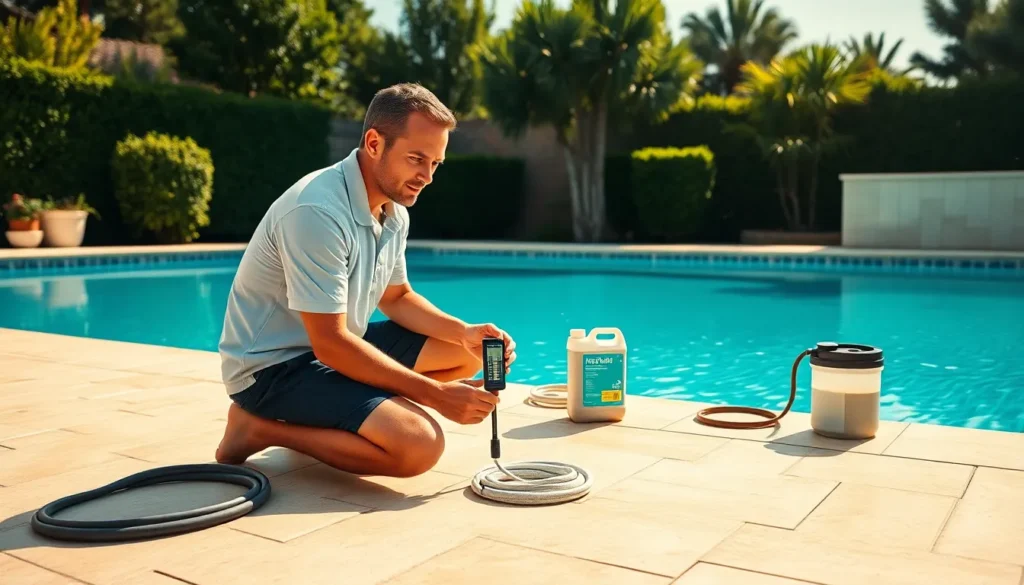
Test strips offer convenience but less accuracy. Liquid test kits provide more precise readings. Many pool stores offer free water testing and can recommend specific treatments.
Pool owners should add chemicals one at a time. Wait at least four hours between additions, then retest. This prevents overcompensation and chemical imbalances.
Maintain Your Pool Equipment
Equipment care is essential for best pool maintenance. The pump, filter, and heater represent significant investments. Proper upkeep extends their lifespan and prevents expensive breakdowns.
Pump Care
The pump is the heart of the circulation system. It should run 8-12 hours daily to turn over all pool water at least once. Running shorter cycles saves electricity but allows algae and bacteria to grow.
Check the pump basket weekly and remove debris. Listen for unusual sounds, grinding or humming indicates problems. Inspect the pump lid O-ring for cracks and apply lubricant to maintain the seal.
Filter Maintenance
Filters trap particles as small as 10-20 microns. They need regular cleaning to work properly.
- Sand filters: Backwash when pressure rises 8-10 PSI. Replace sand every 5-7 years.
- Cartridge filters: Remove and spray clean monthly. Replace cartridges every 1-2 years.
- DE filters: Backwash and add fresh DE powder as needed. Perform a full breakdown and cleaning annually.
Heater Inspection
Pool heaters require less frequent attention but shouldn’t be ignored. Check for rust, debris in vents, and proper airflow. Schedule professional inspection before each swimming season.
Automation Systems
Automatic chlorinators, salt systems, and variable-speed pumps need calibration checks. Follow manufacturer guidelines for cell cleaning and part replacement. These systems simplify pool maintenance but still require oversight.
Address Seasonal Pool Care Needs
Best pool maintenance adapts to seasonal changes. Each season brings specific challenges that pool owners must address.
Spring Opening
Opening a pool properly sets the tone for the entire season. Remove the cover carefully to avoid dumping debris into the water. Clean and store the cover properly.
Reconnect all equipment and check for damage from winter storage. Prime the pump and restore circulation. Test water chemistry and balance all levels before swimming.
Shock the pool with a high chlorine dose to eliminate any bacteria that developed over winter. Brush all surfaces thoroughly and vacuum the entire pool.
Summer Upkeep
Heavy use during summer demands increased attention. Test water chemistry more frequently, every other day during peak use. Higher temperatures accelerate chlorine consumption and algae growth.
Run the pump longer during hot weather. Some owners extend run times to 10-12 hours daily. Watch for signs of algae: green tint, slippery walls, or cloudy water.
Fall Preparation
As temperatures drop, reduce chemical usage gradually. Remove leaves promptly, they stain surfaces and clog filters. Consider a leaf net if trees surround the pool.
Balance water chemistry before closing. Proper winterization protects the pool through cold months.
Winter Closing
Lower water level below skimmers and return jets. Blow out plumbing lines to prevent freeze damage. Add winterizing chemicals per manufacturer instructions.
Install a quality cover secured against wind. Solid covers keep debris out completely. Mesh covers allow rain and snowmelt through but require a cover pump.