Table of Contents
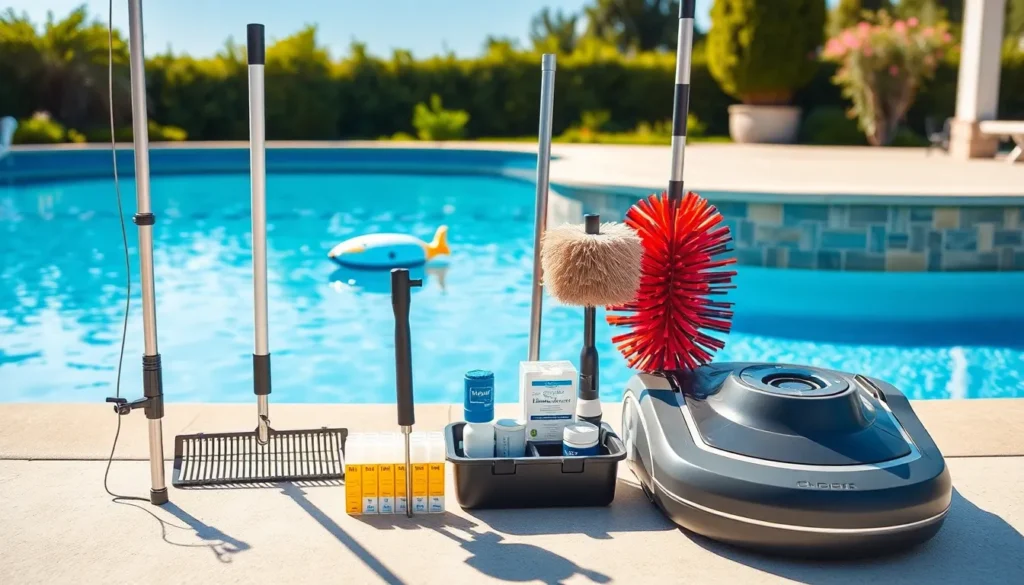
TogglePool maintenance tools make the difference between a sparkling backyard oasis and a murky green swamp. Every pool owner needs the right equipment to keep water clean, safe, and inviting throughout the swimming season.
This guide covers the essential pool maintenance tools that handle everything from surface debris to chemical balance. Whether someone owns an above-ground pool or a large in-ground installation, these tools form the foundation of effective pool care. The right equipment saves time, reduces frustration, and extends the life of the pool itself.
Key Takeaways
- The right pool maintenance tools—skimmer nets, vacuums, brushes, and test kits—keep water clean, safe, and extend the life of your pool.
- Test your water chemistry regularly using strips, liquid kits, or digital testers to catch imbalances the eye can’t detect.
- Robotic pool cleaners cost more upfront but save electricity and reduce wear on your main pump while cleaning independently.
- Brush pool walls and floors weekly with the correct bristle type to prevent algae buildup in corners and shaded areas.
- Invest in one quality telescopic pole since most pool maintenance tools—skimmers, brushes, and vacuum heads—attach to a standard connection.
- Keep skimmer baskets clean and check them twice weekly to maintain proper water circulation and protect the pump motor.
Essential Skimming and Cleaning Tools
Surface debris collects fast. Leaves, bugs, pollen, and grass clippings land on pool water daily. Without regular removal, this debris sinks to the bottom and creates bigger problems.
Skimmer Nets
A skimmer net ranks as the most-used pool maintenance tool in any owner’s arsenal. These nets attach to telescopic poles and scoop floating debris before it sinks. Two main types exist:
- Flat skimmers: Best for quick daily passes across the surface
- Deep-bag skimmers: Ideal for heavy debris loads and larger items
Quality matters here. A flimsy net frame bends under pressure and misses debris. Look for aluminum or reinforced plastic frames that hold their shape.
Leaf Rakes
Leaf rakes function like heavy-duty skimmers with deeper bags. They’re designed to collect debris that has already sunk to the pool floor. Pool owners with nearby trees rely on these pool maintenance tools weekly, sometimes daily during fall.
Surface Skimmer Baskets
Most pools have built-in skimmers along the waterline. These units contain removable baskets that trap debris before it reaches the pump. Checking and emptying these baskets should happen at least twice per week. A clogged skimmer basket reduces water circulation and strains the pump motor.
Pro tip: Keep a spare basket on hand. Swapping baskets takes seconds, and the dirty one can drain while swimming continues.
Water Testing and Chemical Balancing Equipment
Clean-looking water isn’t always safe water. Pool maintenance tools for testing reveal what the eye can’t see, pH levels, chlorine concentration, alkalinity, and more.
Test Strips
Test strips offer the fastest method for checking water chemistry. Dip a strip in the pool, wait 15 seconds, and compare the colors to the provided chart. Most strips test for:
- Free chlorine
- pH
- Total alkalinity
- Cyanuric acid (stabilizer)
Strips cost less than liquid kits and work well for routine checks. But, they’re less precise than other methods.
Liquid Test Kits
Liquid test kits provide more accurate readings than strips. They use reagent drops that change color based on chemical concentrations. The Taylor K-2006 kit remains an industry standard among pool professionals. These pool maintenance tools require more steps but deliver reliable results.
Digital Testers
Digital testers eliminate color-matching guesswork entirely. They display exact numerical readings for pH, chlorine, salt levels, and temperature. Initial costs run higher, but the precision helps prevent over-treating or under-treating the water.
Chemical Dispensers
Floating chlorine dispensers release sanitizer slowly into the water. They hold chlorine tablets and feature adjustable vents to control the release rate. Automatic chemical feeders connect directly to the plumbing system for hands-off treatment. Both options maintain consistent chlorine levels between manual additions.
Vacuums and Automatic Cleaners
Skimmers handle the surface. Vacuums tackle everything else. These pool maintenance tools remove dirt, algae, and settled debris from floors and walls.
Manual Pool Vacuums
Manual vacuums connect to the skimmer or a dedicated vacuum line. The pool’s filtration pump provides suction while the operator guides the vacuum head across surfaces. This setup offers complete control, users clean exactly where they want.
A standard manual vacuum kit includes:
- Vacuum head (weighted for stability)
- Flexible hose (sized to pool length)
- Telescopic pole
Manual vacuuming takes time. A typical residential pool requires 30-45 minutes for thorough cleaning.
Suction-Side Automatic Cleaners
Suction-side cleaners connect to the skimmer and move randomly around the pool. They’re affordable, reliable, and require minimal maintenance. Popular models include the Hayward Navigator and Pentair Kreepy Krauly. These pool maintenance tools work while owners do other things.
Pressure-Side Cleaners
Pressure-side cleaners use water pressure from a booster pump or return line to propel themselves. They collect debris in attached bags rather than sending it through the filter. The Polaris 360 and 380 models dominate this category.
Robotic Pool Cleaners
Robotic cleaners operate independently from the pool’s filtration system. They run on electricity, contain their own motors, and filter debris internally. Premium models scrub walls, climb stairs, and even clean the waterline.
Robotic pool maintenance tools cost more upfront but save money on electricity and reduce wear on the main pump. Many models complete a full cleaning cycle in 2-3 hours.
Brushes, Poles, and Accessories
Some pool maintenance tools don’t get much attention, but they’re essential for complete care.
Pool Brushes
Algae and calcium deposits cling to pool surfaces. Brushes loosen this buildup so the filter can remove it. Different surfaces need different brushes:
- Nylon bristle brushes: Safe for vinyl liners and fiberglass
- Stainless steel bristle brushes: Required for concrete and plaster
- Combination brushes: Feature both bristle types for mixed surfaces
Brushing walls and floors weekly prevents algae from gaining a foothold. Focus on corners, steps, and shaded areas where growth starts.
Telescopic Poles
Almost every pool maintenance tool attaches to a telescopic pole. These aluminum or fiberglass poles extend from 8 to 16 feet, allowing reach across the entire pool from the deck. A quality pole features secure locking mechanisms and comfortable grips. Cheap poles slip, wobble, and frustrate users.
Buy one good pole rather than several mediocre ones. Most attachments, skimmers, brushes, vacuum heads, use a standard connection size.
Tile and Grout Brushes
The waterline accumulates oils, sunscreen residue, and mineral deposits. Small tile brushes remove this buildup without scratching surfaces. Some pool owners use pumice stones for stubborn calcium deposits on plaster.
Maintenance Caddies and Storage
Organizing pool maintenance tools extends their lifespan and makes routine care faster. Wall-mounted racks hold poles, nets, and brushes off the ground. Covered bins protect chemicals from sunlight and moisture. A well-organized setup means less searching and more swimming.