Table of Contents
TogglePool maintenance tips can save homeowners time, money, and frustration throughout the swimming season. A clean pool does more than look inviting, it protects swimmers from harmful bacteria and extends the life of expensive equipment. Many pool owners struggle with cloudy water, algae growth, or failing pumps simply because they skip basic upkeep steps. This guide covers everything from daily cleaning habits to seasonal preparation. Whether someone owns an in-ground or above-ground pool, these practical strategies will help keep the water crystal clear and safe for everyone.
Key Takeaways
- Consistent pool maintenance—daily skimming, weekly scrubbing, and regular vacuuming—prevents costly problems and keeps water crystal clear.
- Test your pool water at least twice per week during summer, aiming for pH between 7.2–7.6 and chlorine levels of 1–3 ppm.
- Clean your filter on schedule and run your pump 8–12 hours daily to ensure proper circulation and reduce equipment strain.
- Shock your pool every one to two weeks or after heavy use to eliminate bacteria and maintain safe swimming conditions.
- Proper winterizing and early spring opening protect equipment from damage and minimize algae growth when warmer weather arrives.
Establish a Consistent Cleaning Routine
A regular cleaning schedule forms the foundation of good pool maintenance. Pool owners who stick to a routine spend less time fixing problems and more time enjoying the water.
Skim and Scrub Daily
Skimming debris from the surface should happen every day during swimming season. Leaves, bugs, and grass clippings float on top before sinking to the bottom, where they become harder to remove. A long-handled skimmer net makes this job quick, usually just five minutes.
Brushing the walls and floor prevents algae from taking hold. Pool maintenance tips from professionals suggest scrubbing at least once per week. Pay extra attention to corners, steps, and areas with poor circulation. These spots tend to collect buildup faster than open sections.
Vacuum Weekly
Manual or automatic vacuums remove dirt that settles on the pool floor. Manual vacuuming gives owners more control, but automatic cleaners save significant time. Either method works well when done consistently.
For best results, vacuum slowly. Moving too fast stirs up sediment instead of capturing it. Some pool owners vacuum twice weekly during heavy-use periods or after storms.
Balance Your Water Chemistry
Water chemistry might sound complicated, but testing takes just minutes. Balanced water prevents skin irritation, equipment damage, and algae growth. Poor chemistry causes more pool problems than almost any other factor.
Test Water Regularly
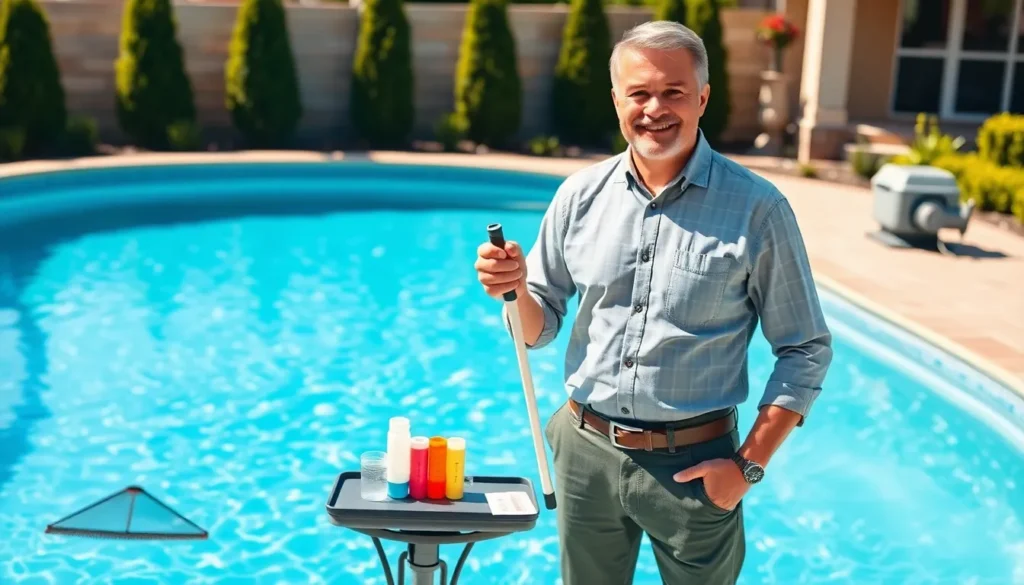
Pool owners should test their water at least twice per week during summer. Test strips or liquid kits measure chlorine, pH, alkalinity, and other key levels. Digital testers provide more precise readings for those who want extra accuracy.
The ideal pH range falls between 7.2 and 7.6. Chlorine levels should stay between 1 and 3 parts per million. Alkalinity works best between 80 and 120 ppm. These numbers matter because they affect how well sanitizers work.
Adjust Chemicals as Needed
When test results fall outside normal ranges, pool maintenance requires chemical adjustments. Low pH needs a pH increaser. High pH calls for a pH decreaser. Chlorine tablets, granules, or liquid help maintain sanitizer levels.
One important pool maintenance tip: never mix chemicals directly. Add them to the water separately, and always follow package directions. Shocking the pool, adding a large dose of chlorine, should happen every one to two weeks or after heavy use.
Monitor and Maintain Your Filtration System
The filter acts as the pool’s primary defense against particles and contaminants. Without proper filtration, even perfect chemistry won’t keep water clear. Three main filter types exist: sand, cartridge, and diatomaceous earth (DE).
Clean Filters on Schedule
Each filter type requires different cleaning methods. Sand filters need backwashing when the pressure gauge reads 8-10 psi above normal. Cartridge filters should be removed and rinsed every two to six weeks. DE filters require backwashing plus fresh DE powder.
A dirty filter forces the pump to work harder, raising energy costs and shortening equipment life. Smart pool maintenance tips include marking a calendar with filter cleaning reminders.
Check the Pump and Skimmer Baskets
The pump circulates water through the filter and back into the pool. It should run 8-12 hours daily during peak season. Many owners run their pumps overnight to avoid peak electricity rates.
Skimmer baskets catch large debris before it reaches the pump. Empty these baskets at least weekly, more often if trees drop leaves into the pool. A clogged basket reduces water flow and strains the entire system.
Inspect for Leaks
Small leaks waste water and chemicals while potentially damaging surrounding areas. Pool owners can check for leaks by marking the water level and measuring after 24 hours. Evaporation accounts for about 1/4 inch per day. Anything more suggests a possible leak that needs professional attention.
Prepare Your Pool for Seasonal Changes
Weather shifts demand different pool maintenance approaches. Proper seasonal care prevents expensive repairs and makes opening day much easier.
Winterizing Your Pool
Closing a pool correctly protects it through cold months. The process includes balancing water chemistry one final time, lowering the water level, draining equipment, and adding winterizing chemicals. A quality cover keeps debris out and reduces spring cleaning time.
Pool owners in freeze-prone areas must remove all water from pipes, pumps, and heaters. Frozen water expands and cracks equipment. Blow-out plugs and antifreeze protect plumbing lines.
Opening for Summer
Spring opening reverses the winterizing process. Remove the cover carefully to avoid dumping debris into the water. Reconnect equipment, fill the pool to normal levels, and run the pump for 24 hours. Test and adjust chemistry before anyone swims.
Many pool maintenance tips recommend opening earlier rather than later. An algae-filled pool in May requires much more work than one opened in April when water temperatures stay cooler.