Table of Contents
ToggleWhen a plunger fails and chemical drain cleaners barely make a dent, you’re likely dealing with more than just hair and soap scum. Tree roots, grease accumulation, and decades of mineral buildup don’t respond to traditional snaking. That’s where hydro jet drain cleaning services come in, a professional-grade method that uses high-pressure water to scour pipes clean from the inside out. Unlike mechanical augers that poke holes through clogs, hydro jetting obliterates blockages and restores pipes to near-original flow capacity. Here’s what homeowners need to know before calling in a sewer drain jet cleaning service.
Key Takeaways
- Hydro jet drain cleaning uses 3,000–4,000 PSI pressurized water to remove grease, roots, and mineral buildup that traditional snaking can’t eliminate, restoring pipes to near-original flow capacity.
- Recurring clogs, kitchen grease buildup, slow drains throughout your home, and sewer odors are clear signals that a professional sewer drain jet cleaning service is needed instead of repeated temporary fixes.
- Unlike mechanical augers that punch holes through blockages, hydro jetting cleans the entire pipe diameter and can extend intervals between service calls from months to years.
- Camera inspection before jetting is essential to confirm pipes can safely withstand high pressure and to identify structural damage that could crack older clay, Orangeburg, or corroded cast iron lines.
- Hydro jet drain cleaning typically costs $350–$600 for residential mainline work, with camera inspections adding $100–$250, making it cost-effective long-term compared to repeated snaking calls.
- Post-jetting maintenance—avoiding grease disposal, using enzyme-based cleaners, installing root barriers, and scheduling periodic inspections—prevents buildup regrowth and extends the benefits of professional cleaning.
What Is Hydro Jet Drain Cleaning?
Hydro jetting is a drain cleaning method that uses pressurized water, typically between 3,000 and 4,000 PSI, to blast away clogs, grease, scale, and debris from the interior walls of sewer and drain lines. A specialized nozzle attached to a high-pressure hose is inserted into the pipe through a cleanout access point, and water is forced through at velocities that can cut through root intrusions and decades-old buildup.
This isn’t a DIY job. The equipment costs thousands of dollars, requires specific training to operate safely, and can damage pipes if used incorrectly. Licensed plumbers and drain specialists use hydro jetting as a step beyond mechanical snaking when blockages are severe, recurring, or caused by accumulated grease or mineral deposits.
Unlike store-bought drain cleaners or even professional augering, jet drain cleaning services address the entire diameter of the pipe, not just a pathway through the center. That means cleaner pipes, longer intervals between service calls, and better flow rates.
How Hydro Jetting Works
The process starts with a video camera inspection of the drain line. This step is non-negotiable for reputable contractors, it identifies the location and nature of the blockage, checks for pipe damage, and confirms that the line can withstand high-pressure water without cracking.
Once cleared for jetting, the technician inserts a specialized nozzle into the pipe. These nozzles come in various designs: some have rear-facing jets that propel the hose forward while scouring, others have rotating heads for cutting roots, and still others focus jets at specific angles to clean pipe walls. As water flows at 3,500 to 4,000 PSI, it pulverizes grease, flushes out sediment, and breaks up tree roots. The debris is carried downstream toward the municipal sewer or septic system.
The entire process typically takes one to two hours for a residential mainline, depending on the severity of the blockage and the length of the run. Commercial or heavily compromised lines may take longer.
When Should You Consider Hydro Jet Cleaning?
Not every slow drain requires hydro jetting. If a plunger or a basic cable snake clears the issue, you’re done. But certain situations demand the power of a professional sewer drain jet cleaning service.
Recurring clogs are the clearest signal. If your main line backs up every few months even though snaking, you’re treating symptoms instead of the root cause, literally, in many cases. Tree roots infiltrate sewer lines through hairline cracks and joint gaps, and mechanical augers only punch through them temporarily. Hydro jetting cuts roots back to the pipe wall and flushes out the fragments.
Grease buildup in kitchen drains is another prime candidate. Restaurants are often required by code to hydro jet their lines quarterly, but residential kitchens accumulate grease too, especially older homes with cast iron or clay sewer lines. The high-temperature water and pressure combination liquefies and removes grease that’s hardened over years.
Slow drains throughout the house indicate a mainline issue, not just a localized clog. If multiple fixtures drain sluggishly or gurgle when you flush the toilet, the problem is downstream in the shared sewer line. According to professional plumbing standards, this is a common scenario for hydro jetting.
Pre-sale inspections sometimes reveal partial blockages or heavy buildup. Hydro jetting before listing a home can prevent deal-killing sewer issues during the buyer’s inspection.
Odors coming from drains, especially sewer gas smells, can indicate biofilm and organic matter coating the inside of pipes. Snaking won’t remove that film: jetting will.
One caveat: older or damaged pipes may not be candidates for hydro jetting. Clay, Orangeburg, or heavily corroded cast iron lines can crack under high pressure. That’s why the camera inspection comes first.
Benefits of Professional Hydro Jetting Over Traditional Methods
Mechanical snaking has been the go-to drain clearing method for decades, and it works, most of the time. But it’s a temporary fix that leaves much of the problem behind. A cable auger bores a hole through a clog, restoring flow but leaving grease, scale, and debris clinging to pipe walls. Within months, buildup narrows the pipe again and the clog returns.
Hydro jetting, by contrast, cleans the entire pipe diameter. The pressurized water scours away buildup from top to bottom, leaving pipes as clean as they can be without replacement. For homeowners dealing with chronic backups, this means longer intervals between service calls, often years instead of months.
It’s also environmentally safer than chemical drain cleaners, which corrode pipes, contaminate groundwater, and rarely work on serious blockages. Hydro jetting uses only water, no caustic compounds or toxic fumes. That makes it the preferred method for septic systems and eco-conscious homeowners.
Another advantage: thorough root removal. Tree roots are relentless. A cable snake cuts a hole through root masses, but within weeks, roots regrow and reblock the line. Hydro jetting cuts roots flush with the pipe interior and washes away the cuttings, giving you a much longer window before regrowth becomes an issue. Some contractors follow up with root-killing treatments to extend that window further.
For commercial kitchens or homes with heavy grease usage, many municipalities now require hydro jetting as part of routine maintenance to prevent municipal sewer backups. It’s the only method that reliably removes hardened grease layers.
Finally, hydro jetting is diagnostic. The video inspection that precedes it often reveals cracks, bellies (sagging sections), or joint separations that could cause future failures. Knowing about these issues before a catastrophic collapse lets you budget for repairs on your timeline, not the pipe’s.
What to Expect During a Hydro Jet Service
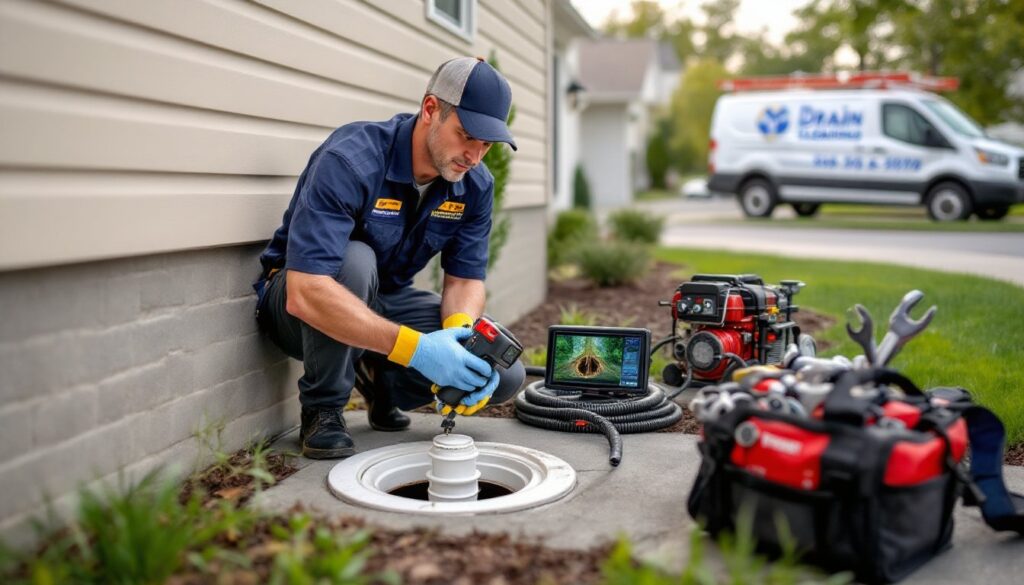
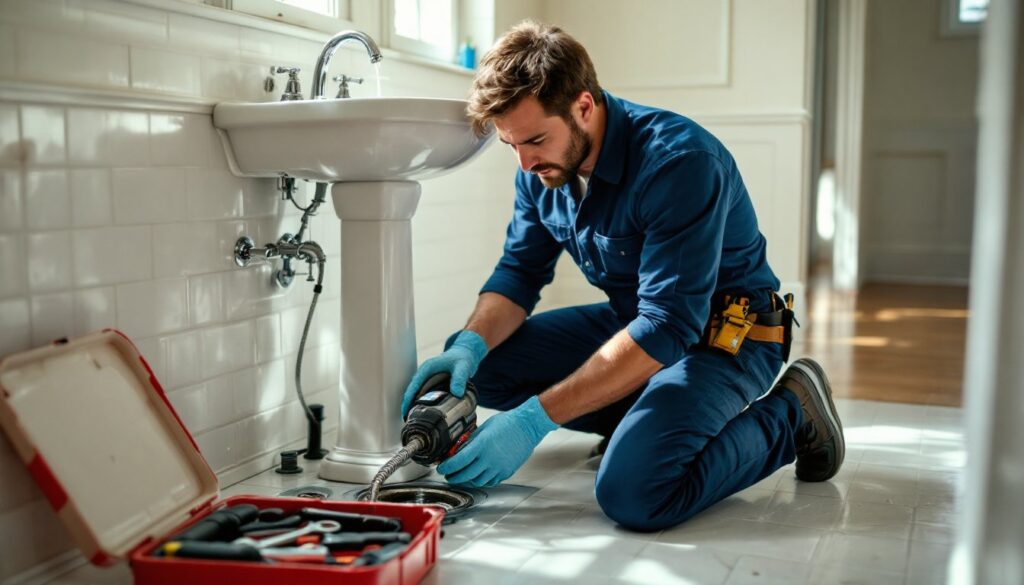
A professional jet drain cleaning service begins with a camera inspection. The technician feeds a flexible rod-mounted camera through a cleanout or toilet flange to visually assess the line. You’ll often see the footage in real time on a monitor, roots, grease, cracks, and all. This step takes 15 to 30 minutes and is billed separately by some companies, included by others.
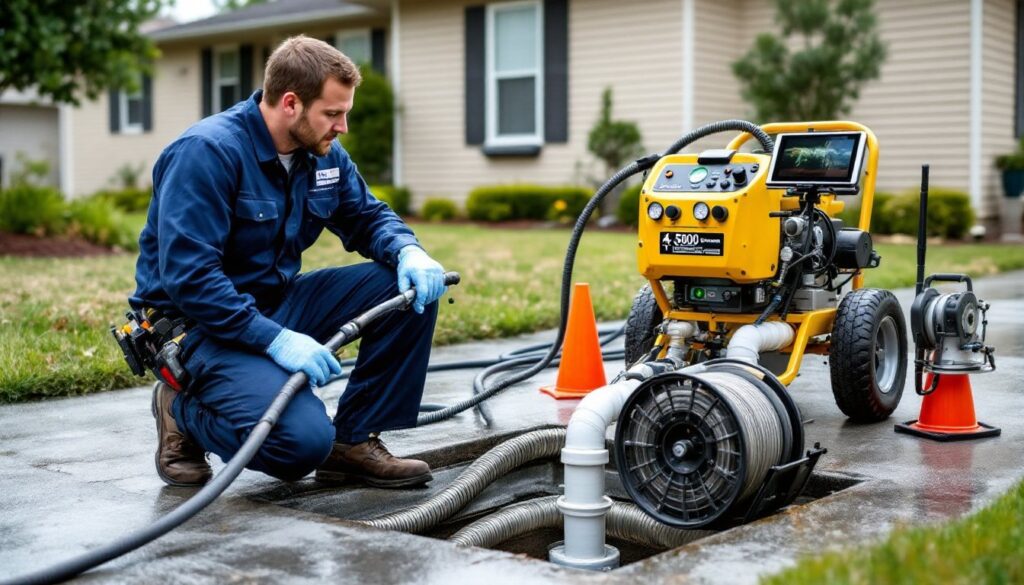
If the line is structurally sound, the technician preps the hydro jetting equipment. This involves connecting a high-pressure hose to a trailer-mounted or truck-mounted jetter unit, selecting the appropriate nozzle, and positioning the hose at the upstream cleanout. Cleanouts are typically 4-inch PVC or cast iron caps located near the foundation, in a crawl space, or outside near the property line.
Once the nozzle is inserted, the technician activates the pump. Water pressure ramps up to 3,000 to 4,000 PSI, and the nozzle is worked through the line. You’ll hear the pump running and possibly feel vibration in the floor if the jetting is near interior pipes. The process is messy, debris, water, and whatever was clogging the line will flush out, so the cleanout area needs to be accessible and preferably outdoors or over a drain.
After jetting, a follow-up camera inspection confirms the line is clear. Reputable contractors provide before-and-after video, often emailed or uploaded to a portal. This documentation is valuable if you’re selling the home or planning future work.
Total time for a standard residential mainline: one to two hours. Complex jobs involving multiple lines, heavy root intrusion, or commercial-scale grease may take half a day. You won’t need to be present for the entire process, but someone should be home to grant access and review findings.
Cost Factors and What You’ll Pay
Hydro jetting isn’t cheap, but it’s often the most cost-effective solution for chronic drain problems when you factor in repeated service calls for snaking. Expect to pay $350 to $600 for a straightforward residential mainline cleaning, though prices vary widely by region, severity, and access.
Camera inspection fees run $100 to $250 if billed separately. Some companies bundle inspection and jetting into a flat rate: others charge inspection first, then quote jetting if needed. Ask upfront how the pricing works.
Accessibility affects cost. If the cleanout is buried, blocked, or nonexistent, the plumber may need to install one, adding $200 to $800 to the job. Cleanouts should be accessible per most local plumbing codes, but older homes often lack them or have them buried under landscaping.
Severity of the clog matters. Light grease buildup or a single root intrusion is a quick job. Decades of scale, collapsed pipe sections, or multiple root masses take longer and may require specialized nozzles or repeated passes. Prices for complex drain work can climb to $800 or more.
Line length and diameter also factor in. A 100-foot run of 4-inch sewer line is standard residential: longer runs or larger commercial lines (6-inch or 8-inch) cost more due to increased water volume and time.
Geographic variation is significant. Urban markets with high labor costs (think San Francisco, New York, Boston) often see $500 to $1,000 for the same job that costs $300 to $400 in smaller markets. For detailed cost breakdowns by region, project planning resources can help with budgeting.
Preventative maintenance contracts are offered by some companies, annual or biannual jetting at a discounted rate. For homes with known root issues or restaurants required to maintain grease traps, these contracts can save money over time.
Maintaining Your Drains After Hydro Jetting
Hydro jetting gives you a clean slate, but it’s not a permanent fix if the underlying causes persist. Tree roots will regrow, grease will accumulate, and minerals will deposit, just more slowly than before.
Avoid pouring grease down drains, even with hot water and soap. That’s a losing battle. Scrape pans into the trash, wipe with paper towels, and dispose of cooking oil in sealed containers. Even small amounts of grease congeal over time, especially in pipes that run through cool crawlspaces or outdoors.
Use enzyme-based drain maintainers monthly. These biological cleaners break down organic matter and grease without corroding pipes. They’re not a substitute for jetting, but they extend the interval between cleanings. Avoid chemical drain cleaners, they damage pipes and don’t address buildup.
Install root barriers if tree roots are the culprit. These physical or chemical barriers installed around the sewer line discourage root intrusion. Some municipalities require them on new construction near mature trees. Annual or biannual root treatments, copper sulfate or foaming root killers flushed into the line, can also slow regrowth. Consult a licensed plumber: some treatments aren’t safe for septic systems.
Schedule periodic inspections. Even without symptoms, a camera inspection every three to five years catches problems early. Grease buildup, minor root intrusion, and developing cracks are easier and cheaper to address before they cause backups.
Keep cleanouts accessible. Mark their location, keep them clear of landscaping, and ensure caps are tight to prevent debris from entering the line.
Finally, if you live in an older home with cast iron, clay, or Orangeburg pipe, consider pipe replacement during major renovations. Hydro jetting can only do so much if the pipe itself is failing. Modern PVC or HDPE pipe is root-resistant, corrosion-proof, and will outlast the house.
Hydro jetting is a powerful tool for serious drain issues, but it works best as part of a long-term maintenance strategy, not a one-time miracle cure.