Table of Contents
TogglePhoenix homeowners know the desert comes with trade-offs: sunshine year-round, low humidity, and, unfortunately, hard water that wreaks havoc on plumbing. Combine that with monsoon-season debris, older housing stock in central neighborhoods, and mineral-rich groundwater, and you’ve got a perfect storm for clogged drains. Whether it’s a sluggish kitchen sink or a backed-up shower, knowing when to tackle the problem yourself and when to call for drain cleaning Phoenix AZ services can save time, money, and a minor flood. This guide walks through the warning signs, DIY fixes that actually work, and what to expect when a professional shows up with a camera snake and hydro jetter.
Key Takeaways
- Phoenix’s hard water, mineral deposits, and desert climate create unique drain challenges that accumulate as limescale and debris inside pipes, making professional drain cleaning Phoenix AZ services more necessary than in other regions.
- Watch for red flags like multiple slow drains, water backing up in wrong fixtures, foul odors, and soggy yard patches—these signal main sewer line blockages that require professional camera inspection and diagnosis.
- For minor isolated clogs, try manual removal, plunging, or a baking soda-and-vinegar solution before calling a professional, but avoid caustic chemical cleaners that can corrode pipes and create hazardous conditions.
- Professional drain cleaning uses motorized snakes, hydro jetting (up to 4,000 PSI), or air burst tools following a camera inspection to pinpoint the exact problem and clear blockages safely in 1-3 hours.
- Prevent future drain problems with routine maintenance: install drain screens, flush weekly with hot water, trim tree roots near sewer lines, and schedule preventive hydro jetting every 2–3 years for older homes.
Why Phoenix Homeowners Face Unique Drain Challenges
Phoenix’s municipal water contains high levels of calcium, magnesium, and other dissolved minerals, typically 200–400 parts per million, well into “hard” or “very hard” territory. Over time, these minerals accumulate inside pipes as limescale, narrowing the interior diameter and catching hair, grease, and soap residue that would otherwise flow through.
Older homes in neighborhoods like Encanto, Arcadia, and central Phoenix often have galvanized steel or even clay drain lines installed decades ago. These materials corrode, sag, or develop root intrusions from mesquite and palo verde trees seeking moisture. Monsoon storms compound the problem: debris and sediment wash into yard drains and scuppers, and sudden downpours can overwhelm undersized systems, pushing silt into traps.
Finally, Phoenix’s year-round heat encourages outdoor showers, pool equipment, and frequent lawn irrigation, all of which introduce sand, sunscreen, chlorine-laden water, and organic matter into household drains. If you’re dealing with chronic slow drains or standing water, the local geology and climate are likely contributing factors, not just what’s going down the sink.
Signs Your Drains Need Professional Attention
A single slow drain is usually a localized clog. Multiple slow drains signal a blockage in the main sewer line, often beyond the reach of a plunger or liquid cleaner.
Watch for these red flags:
• Water backing up in the wrong place. Flushing the toilet causes the shower drain to gurgle, or running the washing machine floods the basement floor drain. This points to a partial blockage downstream.
• Persistent foul odors. Rotten-egg or sewage smells that don’t clear after cleaning traps may indicate a cracked vent stack, dry P-trap, or organic buildup deep in the line.
• Recurring clogs in the same fixture. If you’re plunging the same toilet every week, there’s likely a structural issue, offset joints, bellied pipe sections, or root penetration.
• Soggy patches in the yard. Unexplained wet spots, lush grass, or settling soil near the sewer cleanout suggest a leaking or collapsed drain line.
• Slow drainage throughout the house after heavy rain. This can mean stormwater is infiltrating the sewer system through cracks, overwhelming capacity.
Any combination of these symptoms justifies a camera inspection. Modern drain cameras, typically a high-definition unit on a flexible cable, can pinpoint the exact location and nature of the problem, saving you from excavating half the yard on a guess.
DIY Drain Cleaning Methods That Actually Work
For isolated, minor clogs, a few proven techniques can restore flow without a service call. Always wear nitrile gloves and safety glasses, drain water carries bacteria, and chemical splashback is no joke.
Manual removal. Pop the stopper or overflow cover and fish out hair and soap scum with a zip-it tool or bent coat hanger. Bathrooms clogs are often within six inches of the drain opening.
Plunging. Use a cup plunger for sinks and tubs (not the flanged toilet plunger). Seal the overflow with duct tape, fill the basin with enough water to cover the plunger cup, and give it 10–15 firm, rapid strokes. This works best on fresh clogs before they harden.
Drain snake (manual auger). A 25-foot hand-crank snake can reach past the P-trap into branch lines. Feed the cable slowly, crank clockwise to grab debris, then pull back. Avoid spinning too aggressively, you can score the inside of PVC or chip cast iron.
Natural Solutions for Minor Clogs
If the drain is slow but not stopped, a baking-soda-and-vinegar flush can break down light organic buildup. Pour ½ cup baking soda down the drain, follow with 1 cup white vinegar, cover the opening with a wet rag, and wait 15 minutes. Flush with a kettle of boiling water.
For grease clogs, skip the vinegar and go straight to boiling water, 1 gallon poured in a steady stream can liquefy fats stuck to pipe walls. Repeat every few weeks as maintenance. Note that this method works for metal and PVC drains rated for hot water: older ABS plastic may soften.
Enzyme-based drain cleaners (natural plumbing solutions are detailed in many DIY guides) use bacteria to digest hair and soap over 8–12 hours. They’re safe for septic systems and won’t corrode pipes, but they require patience and won’t clear a hard stoppage.
When to Call a Professional Drain Cleaner
Some situations demand commercial-grade equipment and diagnostic expertise. Don’t attempt DIY fixes if:
• Sewage is backing up into the house. This is a health hazard and may indicate a main-line blockage or municipal sewer issue. Shut off water at the meter and call immediately.
• Multiple fixtures are affected. A problem downstream of the branch connections requires a powered auger or hydro jetter, tools most homeowners don’t own.
• You suspect root intrusion. Roots can grow through joints in clay or concrete pipe. A camera inspection identifies the entry point, and professionals use a root cutter attachment on a motorized snake.
• Chemical cleaners didn’t work (or you used them). Caustic drain cleaners, sodium hydroxide or sulfuric acid, can corrode pipes and create toxic fumes when mixed. If a bottle of Drano didn’t clear the clog, you’ve now got a pipe full of hazardous liquid. Pros know how to neutralize and extract it safely.
• The clog is in a main sewer line or vent stack. These require access through a cleanout fitting and specialized cable lengths (up to 100 feet). Vent clogs, often caused by bird nests or debris, may require roof access and fall-protection gear.
• You’re dealing with cast iron or galvanized pipe. Older materials are brittle and easily damaged by aggressive snaking. A pro can adjust torque and cable size to match the pipe condition.
In Phoenix, many top-rated drain cleaning services offer free camera inspections with service, which can reveal issues like offset joints, channel deterioration, or grease buildup that’s been building for years.
What to Expect During Professional Drain Cleaning
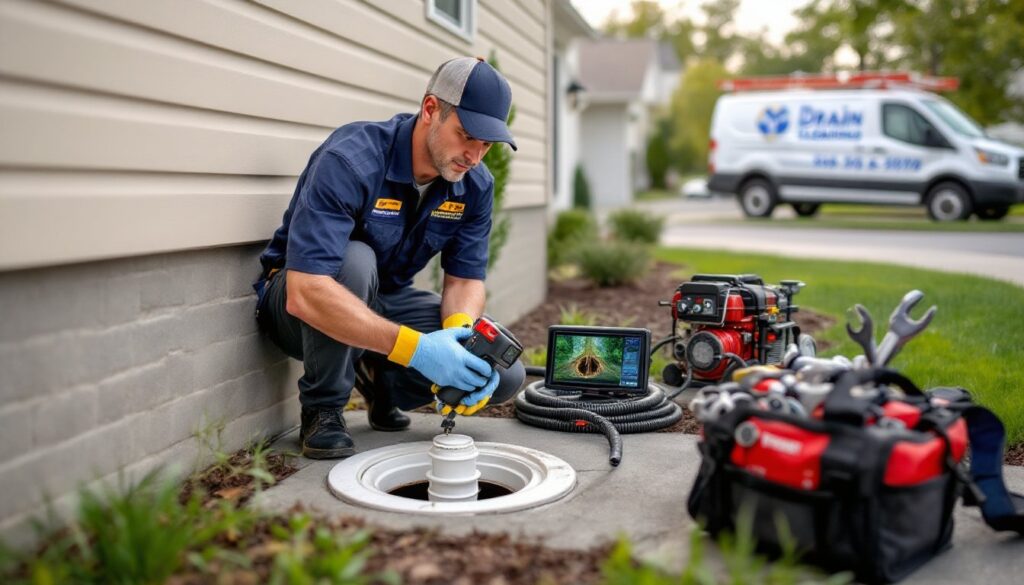
A reputable company will start with questions: when did the problem start, which fixtures are affected, have you used chemical cleaners, and is there a cleanout accessible? They’ll locate the main sewer cleanout, usually a white or black PVC cap in the yard, garage, or exterior wall, and remove it to inspect for standing water or sewage.
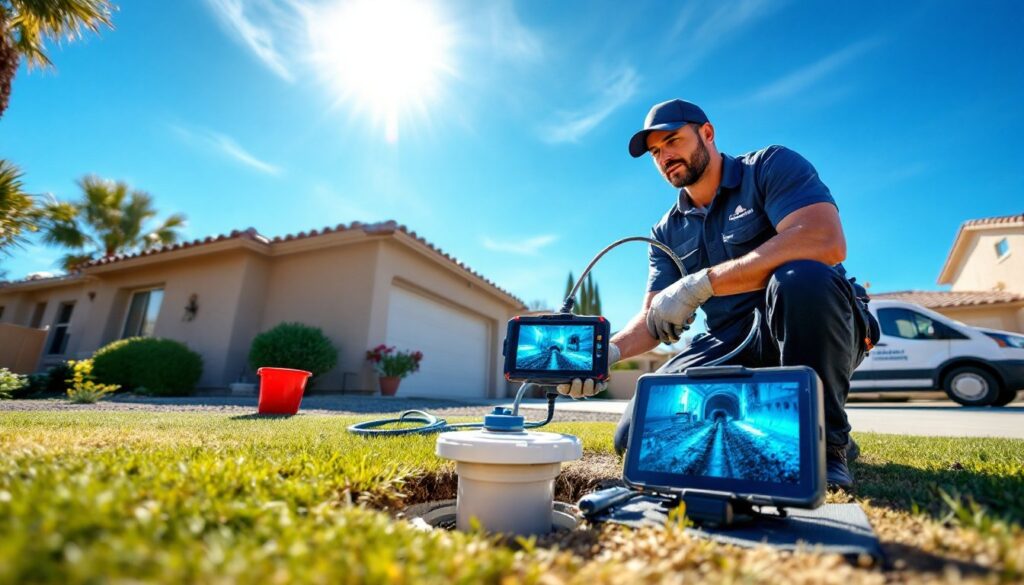
Next comes the camera inspection. A waterproof HD camera on a flexible cable travels the entire length of the drain, transmitting video to a monitor. The tech can measure depth, identify material type, and mark the exact distance to any blockage or defect. Footage is often recorded for your records or to submit to insurance.
For clearing, pros choose between three main tools:
• Motorized drain snake (sectional or continuous cable). A ½-inch to ¾-inch steel cable with interchangeable cutting heads spins at high RPM to bore through clogs or cut roots. Effective for solid obstructions but can push grease farther down the line.
• Hydro jetting. A high-pressure water nozzle (up to 4,000 PSI) blasts away grease, scale, and roots, scouring pipe walls clean. Recommended for heavy buildup and preventive maintenance, but requires structurally sound pipes, older or damaged lines may rupture under pressure.
• Air burst tools. Compressed-air devices deliver a kinetic shock wave to dislodge blockages. Faster than snaking, gentler than jetting, but less effective on hardened scale.
After clearing, the tech re-runs the camera to confirm flow and check for damage. The entire visit typically takes 1–3 hours. Many companies offer a warranty (30–90 days) against the same clog recurring in the same location.
Preventing Future Drain Problems in Phoenix Homes
Routine maintenance beats emergency repairs. Start with these habits:
Install drain screens. Stainless-steel mesh traps catch hair and food particles before they enter the trap. Empty them weekly.
Flush drains with hot water. Once a week, pour a full kettle of boiling water down each drain to liquefy grease and soap buildup. This is especially important in kitchen sinks.
Avoid pouring grease, coffee grounds, or fibrous foods down the disposal. Even with a garbage disposal, fats solidify in cooler sections of pipe. Scrape plates into the trash or compost.
Use enzyme treatments monthly. A dose of bacterial drain cleaner keeps organic matter from accumulating. Safe for septic systems and won’t harm pipes.
Mind what goes down the toilet. “Flushable” wipes, feminine hygiene products, and cotton swabs don’t break down like toilet paper. They snag on rough pipe interiors and form clogs.
Trim trees near sewer lines. Mesquite, ash, and mulberry roots aggressively seek water. If you have mature trees within 10 feet of the main line, consider a yearly camera inspection. Root barriers (physical fabric or chemical treatments) can be installed during landscaping.
Check cleanout caps annually. Make sure the main sewer cleanout is accessible and the cap isn’t cracked or missing. Mark its location so you (or a plumber) can find it quickly in an emergency.
Test your water softener. If you have one, verify it’s regenerating on schedule. Soft water reduces mineral buildup in drains and extends the life of fixtures. Many home improvement cost guides include water softener maintenance schedules and replacement timelines.
Schedule preventive jetting every 2–3 years if you have older pipes, large trees, or a history of clogs. Hydro jetting strips away scale and grease before they cause a blockage, and the cost is a fraction of an emergency call or pipe replacement.
Phoenix’s unique combination of hard water, desert landscaping, and aging infrastructure means drains need more attention than in wetter, cooler climates. A little proactive care keeps water flowing and your weekends free from plunger duty.