Table of Contents
ToggleWhen a sink gurgles, a shower puddles, or a toilet threatens to overflow, the instinct is to reach for a plunger or pour drain cleaner down the pipe. Sometimes that works. Other times, it’s a temporary fix masking a deeper problem, tree roots invading the sewer line, a collapsed pipe, or a main line blockage that won’t budge with a $5 bottle of chemicals. Knowing when to call a professional drain cleaning plumber can save homeowners from water damage, repeated clogs, and costly emergency repairs. This guide walks through the signs that demand professional help, what to expect from drain cleaning services, and how to find a qualified plumber who’ll get the job done right.
Key Takeaways
- Call a professional drain cleaning plumber when facing multiple slow drains, recurring clogs, sewage backups, or gurgling sounds—signs of main line blockages that DIY methods can’t fix.
- Professional drain cleaning services include camera inspection to diagnose the exact problem, appropriate clearing methods (snaking or hydro jetting), and post-cleaning verification to prevent costly repeat repairs.
- Hydro jetting with 3,000–4,000 PSI pressure is the gold standard for removing grease buildup, scale, roots, and debris from main sewer lines, restoring pipes to near-original condition.
- Choose a licensed, insured drain cleaning plumber who uses camera inspection as standard practice, offers transparent pricing ($100–$600 depending on severity), and avoids overselling unnecessary services.
- Prevent future clogs by installing drain screens, never pouring grease down drains, flushing only toilet paper, and using enzyme-based cleaners monthly—habits that reduce the need for emergency drain cleaning.
- Schedule annual camera inspections for homes with old sewer lines, mature trees nearby, or a history of recurring clogs to catch root intrusion or pipe deterioration before they cause expensive backups.
When to Call a Drain Cleaning Plumber Instead of DIY
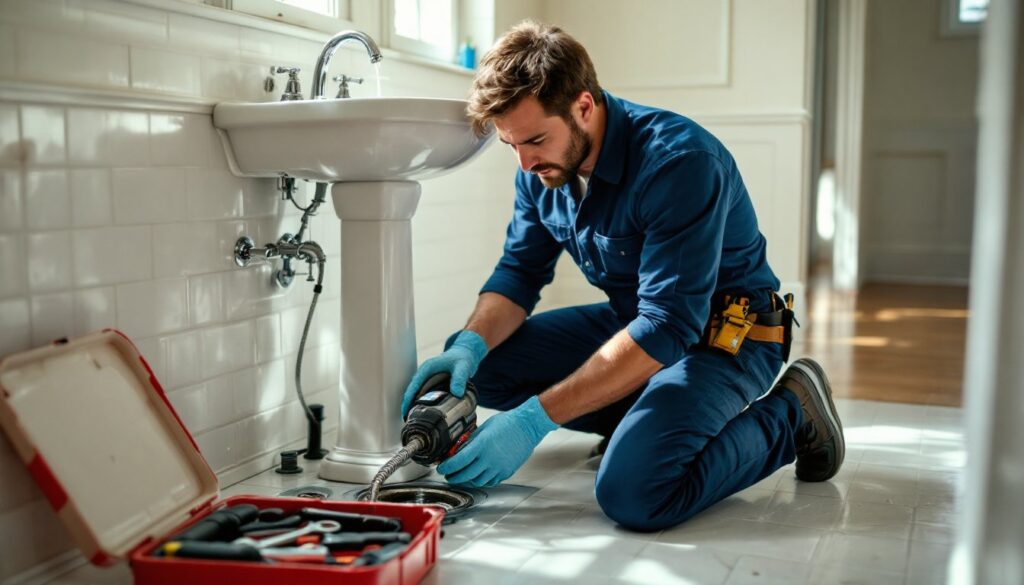
A plunger and a drain snake handle most single-fixture clogs, hair in the bathroom sink, food scraps in the kitchen drain. But some situations require professional equipment and expertise.
Multiple slow drains indicate a blockage in the main sewer line, not just a localized clog. If the kitchen sink, bathroom shower, and laundry drain all back up simultaneously, the problem is downstream where branch lines converge.
Recurring clogs in the same drain suggest buildup that a plunger can’t reach or a structural issue like bellied pipe sections that trap debris. Pouring chemical drain cleaners repeatedly damages pipes and rarely solves the root cause.
Sewage backup or foul odors signal a serious blockage or broken sewer line. This isn’t a DIY scenario, sewage exposure poses health risks, and the underlying cause often requires excavation or pipe lining.
Standing water around floor drains or cleanouts means the main line is compromised. Tree roots commonly infiltrate clay or older cast-iron sewer pipes through joints and cracks, creating dense blockages that manual snakes can’t clear.
Gurgling sounds from toilets or drains when running water elsewhere indicate negative pressure in the drain system, often from a partial main line obstruction. Ignoring this leads to full backups.
If a homeowner lacks access to a cleanout, doesn’t own or know how to operate a drain auger safely, or suspects the clog is beyond the trap (more than a few feet from the fixture), it’s time to call a pro. Forcing a snake through a pipe without proper technique can punch through old piping or get stuck, turning a $200 service call into a $2,000 repair.
What Professional Drain Cleaning Services Include
A reputable drain cleaning plumber starts with diagnostics, not just shoving a snake down the pipe. The service typically includes inspection, cleaning, and a post-cleaning assessment to confirm the blockage is cleared and identify any damage.
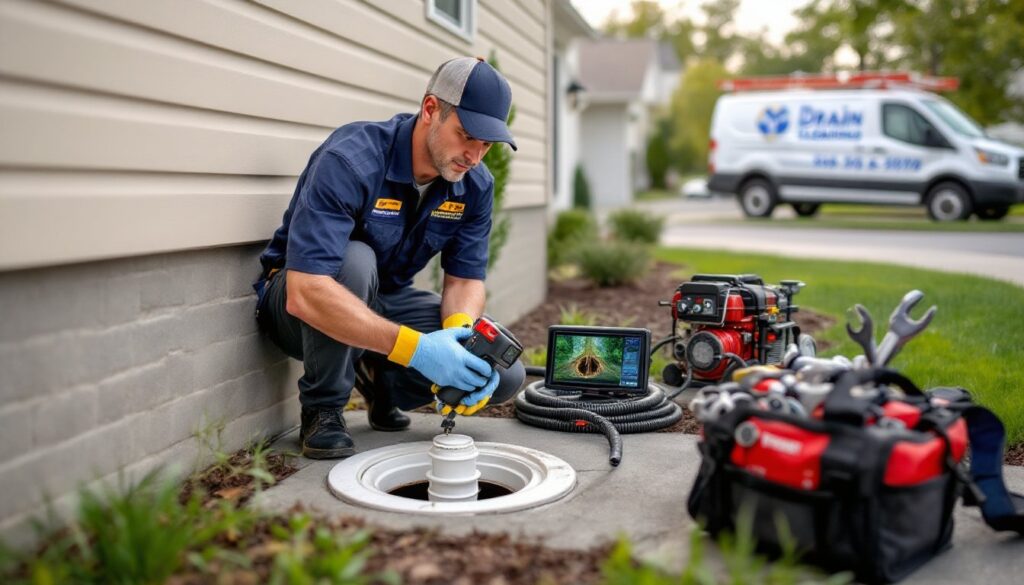
Most pros begin with a camera inspection using a waterproof push camera fed into the cleanout or drain. This reveals the exact location, type, and severity of the blockage, whether it’s grease buildup, roots, foreign objects, or a collapsed pipe. The camera also spots cracks, offsets, or sagging sections that contribute to recurring clogs.
Once the issue is identified, the plumber selects the appropriate clearing method. For soft blockages (grease, soap scum, paper), a motorized drain snake (also called a drain auger) typically does the job. For tougher obstructions, especially in main sewer lines, hydro jetting is the gold standard.
After clearing the drain, many services include a follow-up camera pass to confirm the pipe is fully open and inspect for any damage caused by the clog or clearing process. This documentation is valuable if pipe repair or replacement is needed later.
Common Methods Plumbers Use for Drain Cleaning
Motorized drain snakes (or augers) range from handheld units for sink drains to heavy-duty models for 4-inch sewer lines. A flexible steel cable with a cutting head rotates through the pipe, breaking up or retrieving clogs. Effective for localized blockages, but won’t remove buildup coating the pipe walls.
Hydro jetting uses a high-pressure water stream (typically 3,000 to 4,000 PSI) delivered through a specialized nozzle that scours pipe interiors. It obliterates grease, scale, roots, and debris, restoring pipes to near-original diameter. Hydro jetting is overkill for a simple hair clog but essential for main line buildup or root infiltration. It’s not suitable for fragile or damaged pipes, hence the importance of camera inspection first.
Root cutting attachments for drain snakes slice through tree roots invading sewer lines. The snake’s cutting head chews through roots, clearing the blockage, but roots will regrow unless the pipe is repaired or lined.
Chemical treatments (enzyme-based or foaming agents) are sometimes used by pros for maintenance, not active clogs. Unlike the harsh lye-based products sold at hardware stores, professional-grade treatments break down organic buildup without corroding pipes. They’re a preventive measure, not a primary clearing method.
How to Choose the Best Drain Cleaning Plumber
Not all plumbers specialize in drain cleaning, and not all drain cleaning services are created equal. Start by verifying licensing and insurance. Most jurisdictions require plumbers to hold a state or local license, proving they’ve met training and code knowledge requirements. Insurance (general liability and workers’ comp) protects homeowners if something goes wrong during the job.
Look for plumbers who own camera inspection equipment and offer it as standard practice, not an upsell. A company that diagnoses before snaking shows they’re focused on solving the problem, not just billing for time.
Check reviews on platforms that verify jobs were completed, such as finding local drain cleaners with reviews to compare pros in your area. Pay attention to recurring complaints about hidden fees, repeat visits for the same issue, or pressure to replace entire sewer lines without clear evidence.
Ask about equipment and methods. A plumber who only uses a basic hand snake for all jobs won’t clear a main line clog effectively. Conversely, a service that leads with hydro jetting for every call may be overselling. The right approach depends on diagnosis.
Transparent pricing matters. Some companies charge a flat diagnostic fee (often $100–$200) that’s applied to the service cost if you hire them. Others offer free estimates but build the cost into higher hourly rates. Ask upfront whether the quote covers the full job or just the first hour, and whether there are extra charges for camera work, hydro jetting, or weekend/after-hours service.
Get at least two quotes for non-emergency work. For urgent backups, prioritize availability and licensing over price shopping, water damage from a delayed repair will cost far more than the difference between two plumbers’ rates.
What to Expect: Costs and Pricing for Drain Cleaning
Drain cleaning costs vary widely based on the severity and location of the clog, the method used, and regional labor rates. Homeowners using resources from home improvement cost estimators can get a baseline, but on-site diagnostics determine the final price.
Simple drain snaking for a single fixture (sink, tub, or toilet) typically runs $100 to $250. If the blockage is within a few feet of the drain and accessible via the trap or cleanout, it’s a quick job.
Main sewer line snaking costs $150 to $500, depending on the distance to the clog and the severity. If the plumber needs to access the line through a roof vent or dig to reach a buried cleanout, expect the higher end.
Hydro jetting for a main line ranges from $350 to $600 for standard residential work. Prices climb if the line is longer than 100 feet or if the plumber encounters significant root intrusion requiring multiple passes.
Camera inspection as a standalone service costs $100 to $300, but many companies include it in the overall drain cleaning price or offer it at a reduced rate when paired with clearing work.
Emergency or after-hours calls often carry a $100 to $200 surcharge on top of standard rates. A Friday night sewer backup will cost more than a Monday morning appointment.
Be wary of quotes that seem too low, $75 drain cleaning specials are often loss leaders designed to get a plumber in the door, who then upsells on unnecessary services. Similarly, companies quoting $1,500+ for a basic clog without camera evidence of major damage are likely inflating costs.
Pricing fluctuates by region. Urban areas with higher labor costs see the upper end of these ranges: rural markets trend lower. Material costs (new cleanout installation, pipe repair) add to the bill if the camera reveals damage.
Preventing Future Clogs: Maintenance Tips from the Pros
Professional plumbers spend as much time clearing preventable clogs as they do dealing with legitimate pipe failures. A few maintenance habits dramatically reduce the need for emergency drain cleaning.
Install drain screens in every sink, tub, and shower. A stainless steel mesh strainer catches hair, soap chunks, and debris before they enter the drain. Clean them weekly, it takes 10 seconds and prevents months of buildup.
Never pour grease, oil, or fat down kitchen drains. Even with hot water, grease solidifies as it cools in the pipes, creating stubborn blockages. Wipe pans with paper towels and dispose of grease in the trash.
Run hot water after each use of the kitchen sink. A 30-second flush helps move soap and small particles through the trap and into the main line before they accumulate.
Use enzyme-based drain cleaners monthly as preventive maintenance. Products containing bacteria and enzymes (not lye or sulfuric acid) digest organic buildup without damaging pipes. Pour them down drains before bed so they work overnight without being flushed away.
Avoid flushing anything but toilet paper. “Flushable” wipes, cotton swabs, dental floss, and feminine hygiene products don’t break down like toilet paper and cause expensive sewer line blockages.
Know where your main sewer cleanout is. Typically a 4-inch white or black PVC cap near the foundation or in the basement, the cleanout provides access for clearing main line clogs without removing toilets. If a backup occurs, opening the cleanout can prevent sewage from flooding the house.
Schedule annual camera inspections if the home has old clay or cast-iron sewer lines, mature trees near the sewer path, or a history of recurring clogs. Early detection of root intrusion or pipe deterioration allows for planned repairs instead of emergency excavations. Guidance on routine maintenance and inspections often appears in home maintenance guides aimed at DIY-savvy homeowners.
Avoid chemical drain cleaners for active clogs. Lye and acid-based products generate heat that can crack older pipes, and they rarely clear significant blockages, just enough to temporarily drain, then re-clog as soon as more debris arrives.
Conclusion
Calling a drain cleaning plumber when DIY methods fail isn’t admitting defeat, it’s smart homeownership. The right professional brings diagnostic tools, powerful clearing equipment, and the experience to distinguish between a simple clog and a failing sewer line. By choosing a licensed, well-reviewed plumber and following preventive maintenance practices, homeowners can keep drains flowing and avoid the stress and expense of emergency backups.