Table of Contents
ToggleWater backing up in your sink, tub, or toilet faster than it drains isn’t just annoying, it’s the start of a potential disaster. A drain emergency can escalate from a slow gurgle to a full-blown overflow in minutes, damaging floors, cabinets, and anything else in its path. Knowing how to spot the warning signs and act fast can save you thousands in water damage repairs. This guide walks through recognizing a drain crisis, taking immediate action, and deciding when to grab a plunger or call a pro.
Key Takeaways
- Multiple drains backing up at once, sewage odors, and standing water are critical warning signs of a drain emergency that require immediate action.
- Stop all water use in your home and shut off the main water valve at the first sign of a drain emergency to prevent thousands in water damage.
- Plungers and drain snakes can resolve minor clogs, but a drain cleaning emergency involving main line blockages or sewage backup demands professional plumber intervention.
- Professional plumbers use motorized augers, hydro-jetting, and camera inspections to diagnose and clear stubborn blockages that DIY methods cannot fix.
- Install drain screens, avoid pouring grease down pipes, and flush drains monthly with hot water and baking soda to prevent future emergencies.
Recognizing the Warning Signs of a Drain Emergency
Not every slow drain is an emergency, but certain signs signal you’re headed for trouble. Multiple drains backing up at once is the biggest red flag, if the kitchen sink gurgles when you flush the toilet, or water appears in the shower when you run the washing machine, you’re likely dealing with a main line clog. This isn’t a localized blockage: it’s an obstruction in the primary drain line that serves your entire house.
Standing water that won’t drain within a few minutes is another clear indicator. A bathtub or sink that holds water for more than 5-10 minutes after use suggests a serious blockage downstream. Pay attention to sewage odors coming from drains or cleanouts, this means wastewater isn’t moving through the system properly and gases are backing up into your home.
Watch for water pooling around floor drains in basements or laundry rooms. These are often the lowest drains in your system and will overflow first when the main line is blocked. If you notice toilet water levels rising after flushing instead of draining normally, stop using that fixture immediately. The bowl filling higher than normal means water has nowhere to go, and the next flush could send it over the rim.
Immediate Steps to Take When You Have a Drain Emergency
The moment you identify a drain emergency, your first priority is damage control. Time matters, every gallon of water that overflows is another few hundred dollars in potential repairs.
Stop Using Water Throughout Your Home
Shut off water use in the entire house, not just the affected fixture. When you have a main line clog, running water anywhere, even a bathroom on the opposite side of the house, adds pressure to an already blocked system. Tell everyone in the household: no flushing toilets, no running faucets, no showers, no dishwasher or washing machine cycles.
If water is actively overflowing from a toilet, turn off the supply valve at the base of the fixture (the small valve on the wall or floor behind the tank). Turn it clockwise until it stops. For sinks and tubs without individual shutoffs, you may need to close the main water valve for your home, usually located near the water meter or where the main line enters the house.
Grab towels and start soaking up any standing water immediately. If you have a wet/dry shop vac, use it to pull water out of overflowing fixtures or floor drains. Move valuables, rugs, and furniture away from the affected area. If water has reached flooring, pull up soaked rugs and use fans to start air circulation, wood and subflooring can warp fast.
DIY Solutions for Emergency Drain Clogs
Before calling a plumber, there are a few DIY methods worth trying, but only if the situation isn’t actively flooding. Always wear gloves and eye protection when working with drains: you’re dealing with bacteria and potentially caustic materials.
Start with a plunger, not the shallow sink plunger, but a flange plunger (also called a toilet plunger) with the extended rubber flap. For toilets, create a tight seal and use 15-20 forceful plunges. For sinks or tubs, plug the overflow hole with a wet rag first to build pressure. If you have a double sink, plug one side while plunging the other.
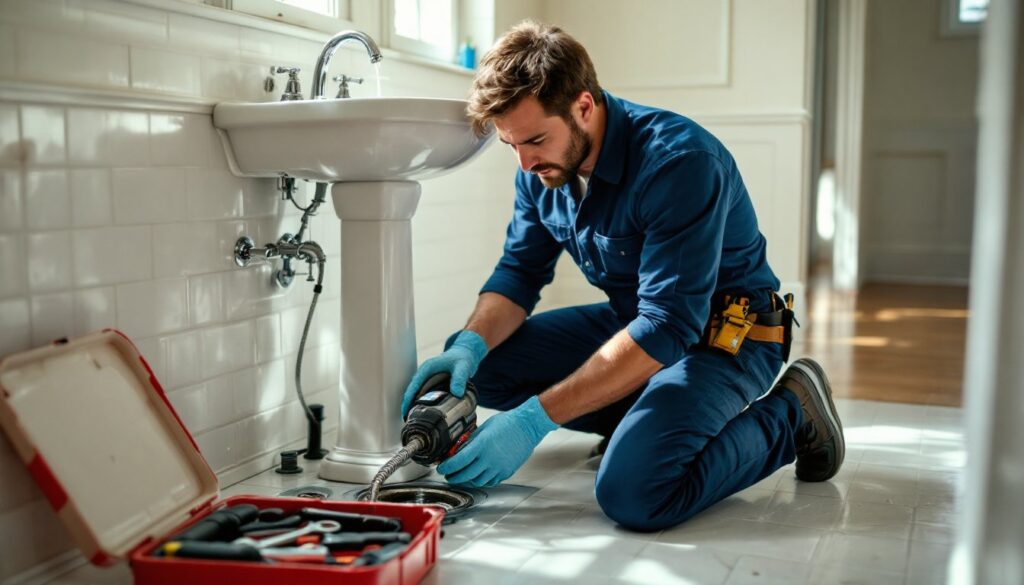
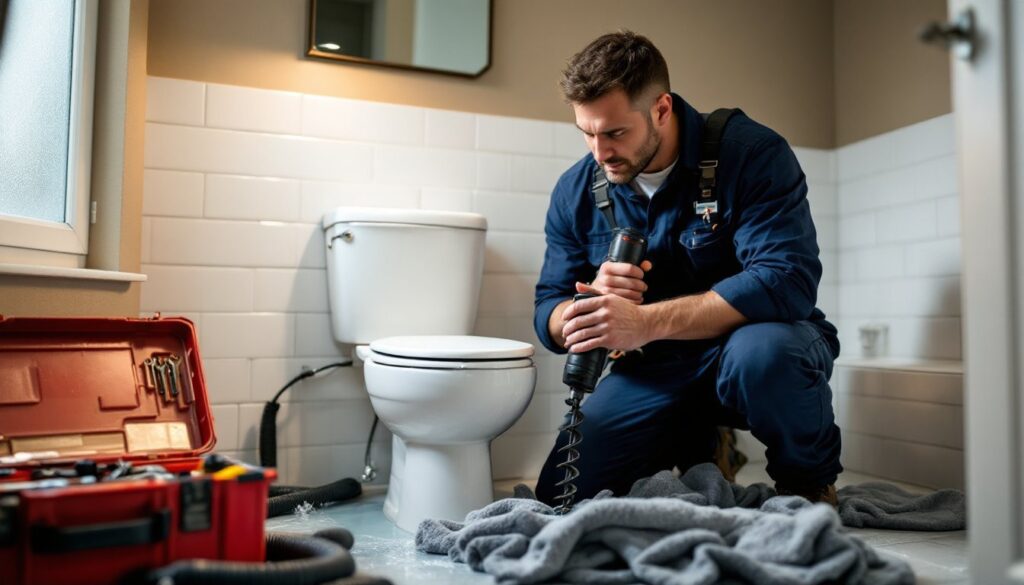
If plunging fails, try a drain snake (also called a closet auger or drum auger). Feed the cable down the drain until you hit resistance, then crank the handle to break through or hook the clog. For toilets, use a closet auger specifically, it’s designed to navigate the built-in trap without scratching the porcelain. Standard drum augers work for sinks and tubs: a 25-foot cable handles most household clogs.
Avoid chemical drain cleaners during an emergency. If the drain is completely blocked, the chemicals will just sit in your pipes, potentially creating dangerous fumes or damaging older plumbing. They’re also ineffective against main line clogs. For kitchen sink backups caused by grease, pouring a pot of boiling water (not in PVC pipes, use hot tap water instead) can sometimes melt through the blockage, though many plumbing repairs require more aggressive methods.
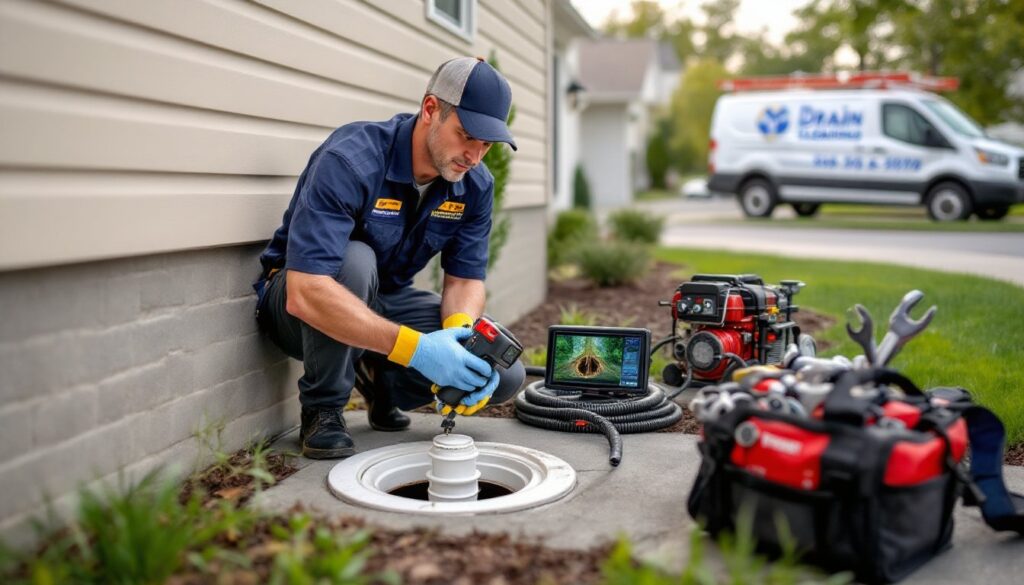
If your home has a main line cleanout, a capped access point on a large drainpipe, usually in the basement, crawlspace, or outside near the foundation, you can attempt to clear it with a longer auger (50-100 feet). Open the cap slowly while wearing safety glasses: if the line is backed up, wastewater may spill out. This is messy work and often best left to professionals unless you’re comfortable with it.
When to Call a Professional Plumber
Some drain emergencies are beyond DIY fixes. If you’ve tried plunging and snaking without success, or if the situation involves any of the following, call a licensed plumber immediately.
Main line clogs almost always require professional equipment. Plumbers use motorized sewer augers (also called rooters or drum machines) with 100+ foot cables and specialized cutting heads. For stubborn blockages, especially tree roots infiltrating clay or cast iron pipes, they may use hydro-jetting, which blasts high-pressure water through the line to scour out buildup.
If sewage is backing up into your home, this is a health hazard that needs immediate professional attention. Raw sewage contains bacteria, viruses, and parasites. Don’t attempt to clear this yourself. Many communities require licensed plumbers to handle sewage backups due to contamination risks.
Multiple failed DIY attempts mean you’re likely dealing with a problem that requires camera inspection. Professional plumbers use sewer cameras to pinpoint the exact location and cause of blockages, collapsed pipes, root intrusion, or objects lodged deep in the line. This diagnostic tool prevents guesswork and unnecessary digging.
Consider calling a pro if you’re dealing with older plumbing systems (cast iron, clay, or galvanized pipes). These materials are fragile and can crack under aggressive snaking by an inexperienced person. Homeowners researching professional plumbing services often find that camera inspections and hydro-jetting prevent repeat emergencies in aging systems.
If you smell gas, hear hissing near drains, or notice water coming up through floor drains after heavy rain, shut off your main water valve and call a plumber. These could indicate venting issues, broken sewer lines, or groundwater infiltration, all outside the scope of DIY repair.
Most municipalities require permits for sewer line repairs that involve digging or replacing sections of pipe. If your emergency stems from a broken or collapsed main line, a licensed plumber will handle permitting and ensure repairs meet local codes.
Preventing Future Drain Emergencies
Once you’ve survived a drain crisis, take steps to prevent the next one. Most clogs are predictable and preventable with routine maintenance.
Install drain screens in all sinks, tubs, and showers. Mesh or perforated metal screens catch hair, soap chunks, and debris before they enter the pipes. Clean them weekly, it takes 30 seconds and stops 90% of bathroom clogs.
Never pour grease, oil, or fat down kitchen drains. Even hot grease will solidify as it cools in your pipes, creating a sticky trap for food particles. Pour cooled grease into a can or jar and toss it in the trash. Wipe greasy pans with paper towels before washing.
Run hot water for 30 seconds after using garbage disposals to help flush food particles through the line. Better yet, avoid putting fibrous foods (celery, onion skins, potato peels), starchy items (rice, pasta), or coffee grounds down the disposal, they expand and clump in pipes.
Flush drains monthly with a maintenance routine: pour a pot of hot water down each drain, or use a mix of 1/2 cup baking soda followed by 1/2 cup white vinegar, let it fizz for 15 minutes, then flush with hot water. This isn’t a clog-buster, but it helps prevent buildup. Following DIY maintenance schedules can extend the life of your plumbing.
If you have trees near your sewer line, schedule a camera inspection every 3-5 years. Tree roots seek out moisture and will infiltrate even small cracks in sewer pipes. Catching root intrusion early means a simple hydro-jetting service instead of a full pipe replacement.
Avoid flushing anything other than human waste and toilet paper. “Flushable” wipes, dental floss, cotton swabs, and feminine hygiene products don’t break down and are common causes of main line clogs. Keep a small trash can in every bathroom.
Conclusion
A drain emergency doesn’t have to mean disaster if you act quickly and know your limits. Recognize the warning signs early, stop water use immediately, and try DIY solutions only when safe and appropriate. When in doubt, or when dealing with sewage, main line issues, or repeated failures, call a licensed plumber. With smart prevention habits, you’ll keep most clogs from becoming crises in the first place.