Table of Contents
ToggleCarrollton’s hard water, mature trees, and clay soil create the perfect storm for clogged drains. Whether it’s a slow-moving kitchen sink or a shower that won’t drain, most homeowners will face a blockage at some point. The good news? Many clogs can be tackled with basic tools and a little know-how. But knowing when to grab the plunger and when to call in a pro can save both time and money, not to mention preventing a minor annoyance from turning into a full-blown plumbing emergency.
Key Takeaways
- Carrollton’s hard water, mature tree roots, and clay soil cause common drain problems—understanding these local factors helps homeowners prevent costly clogs and backups.
- DIY drain cleaning methods like plunging, hand-crank augers, natural solutions (baking soda and vinegar), and the boiling water method work well for minor clogs, but skip harsh chemical cleaners that damage pipes.
- Install drain screens, run hot water after each use, avoid dumping grease, and treat drains monthly with enzyme-based cleaners to prevent 90% of blockages and maintain system health.
- Call a professional drain cleaning service if multiple fixtures back up simultaneously, clogs recur every few weeks, or sewage appears in tubs and yards—these indicate main line issues beyond DIY repair.
- Main sewer line inspections every 3–5 years cost $200–$400 but catch root intrusion and pipe deterioration early, preventing emergencies that could exceed $5,000 in repairs.
- Verify any plumber you hire is licensed through the Texas State Board of Plumbing Examiners (TSBPE) and always request a written estimate before work begins.
Common Drain Problems Homeowners Face in Carrollton
Carrollton’s municipal water supply comes from multiple sources, including Lake Lewisville and the Upper Trinity Regional Water District, and it’s relatively hard, averaging around 120-150 mg/L of hardness. That mineral content leaves scale deposits that gradually narrow pipes, especially in older homes built before the 1990s boom.
Tree roots are another local headache. Mature oaks, pecans, and ash trees common in established Carrollton neighborhoods send hairline roots into sewer lines searching for water. Once inside, they expand and trap grease, paper, and debris.
Kitchen sinks typically clog from grease buildup combined with food particles, even if you’re careful about what goes down the disposal. Bathroom drains suffer from hair and soap scum, which bind together into stubborn masses. Main sewer line backups are the worst-case scenario, usually signaling roots, collapsed clay pipes (common in pre-1980s construction), or a city lateral issue.
Floor drains in garages or utility rooms can dry out during hot Texas summers. When the trap loses its water seal, you’ll smell sewer gas, not a clog, but it mimics one and needs attention.
DIY Drain Cleaning Methods That Actually Work
Natural Solutions for Minor Clogs
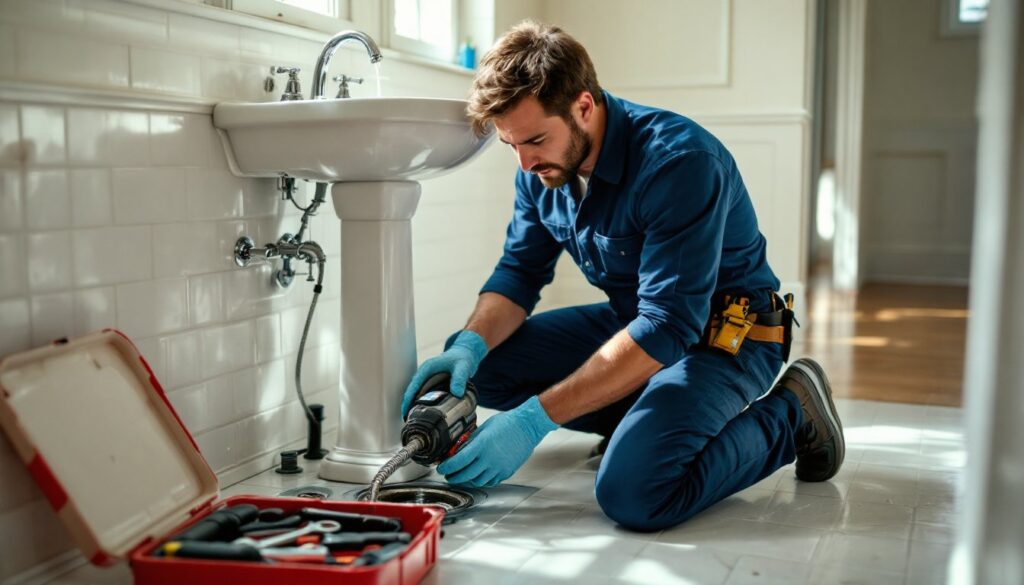
For slow drains that haven’t completely stopped, start with mechanical removal before reaching for chemicals. A zip-it tool (a plastic strip with barbed edges) costs about $3 and pulls hair clogs out of bathroom drains in seconds. Insert it into the drain opening, twist gently, and pull, it’s unpleasant but effective.
The boiling water method works for grease-based kitchen clogs: boil a full kettle and pour it directly down the drain in two or three stages, waiting a few seconds between pours. This melts grease so it flows through. Don’t use boiling water on PVC drains under pressure (like a completely blocked sink), as it can soften joints.
Baking soda and vinegar create a fizzing reaction that can dislodge light buildup. Pour half a cup of baking soda down the drain, follow with half a cup of white vinegar, wait 15-30 minutes, then flush with hot water. It’s more about maintenance than clearing serious blockages, even though what the internet promises. For gentle cleaning methods that won’t damage pipes, many homeowners turn to natural cleaning solutions as a first line of defense.
Skip the chemical drain cleaners for the most part. Liquid plumbers contain sodium hydroxide or sulfuric acid that can corrode galvanized pipes and damage PVC connections with repeated use. They also create hazardous conditions if you end up needing to plunge or snake afterward.
Tools Every Carrollton Homeowner Should Have
A cup plunger (for sinks) and a flange plunger (for toilets) are non-negotiable. The technique matters: create a seal, fill the sink with enough water to cover the plunger cup, and use short, forceful thrusts, not wild pumping. Ten to fifteen deliberate plunges usually does it.
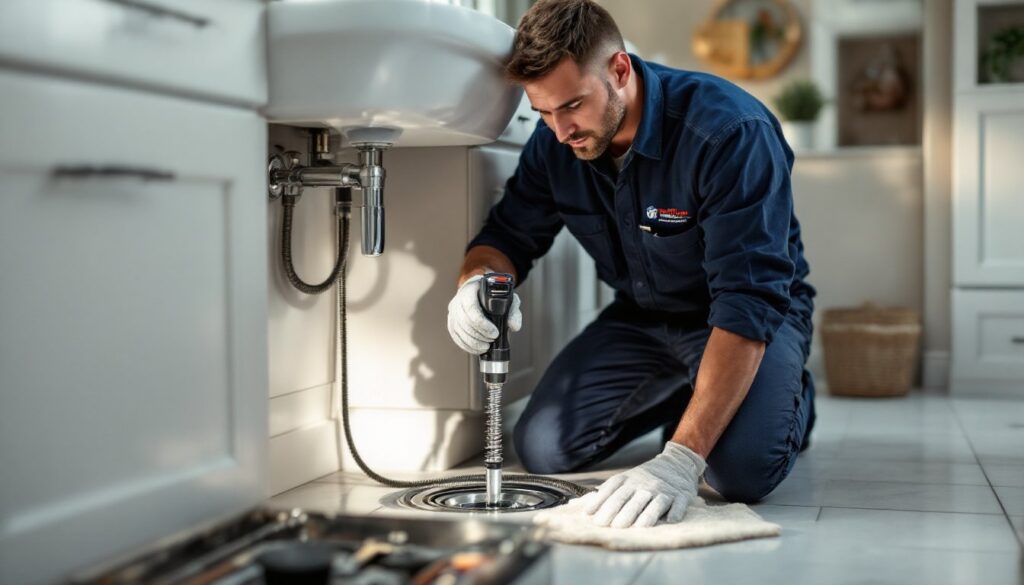
A hand-crank drain auger (drain snake) runs $15-30 and reaches 15-25 feet into drain lines. Feed the cable in while cranking clockwise, and when you hit resistance, push and twist to break through or hook the clog. Pull slowly to retrieve hair, paper, or whatever’s blocking flow. Homeowners researching costs and project planning often consult general contractor resources before purchasing tools or tackling repairs.
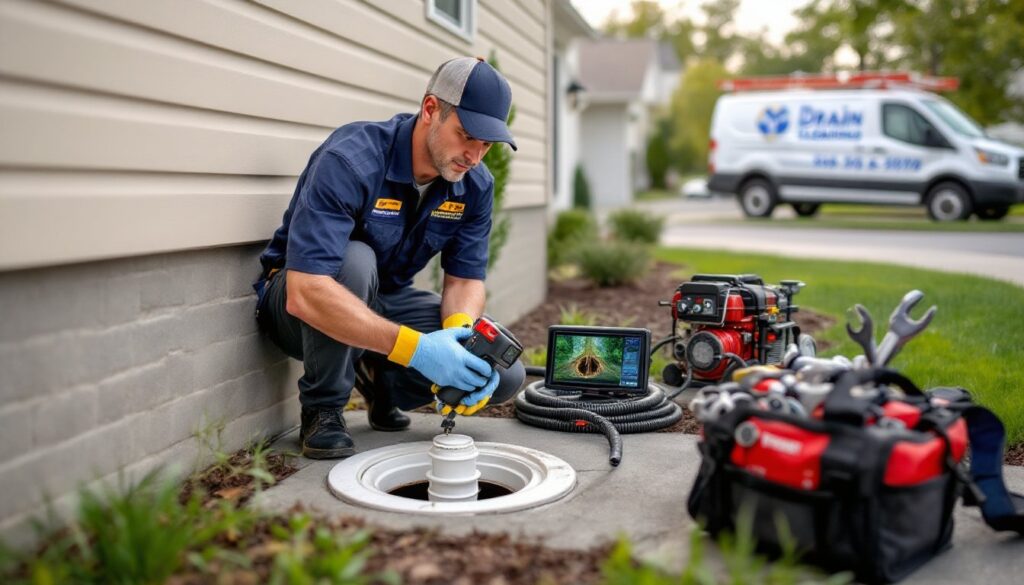
For outdoor cleanouts or deeper clogs, a 50-foot auger with a drill attachment speeds the job but requires more skill. You can rent a power auger for about $40-60 per day from local tool rental shops, but first-timers should watch a tutorial, these machines can kink pipes if forced.
Safety note: Wear gloves and safety glasses when snaking drains. If you’ve already used chemical cleaners, the standing water is caustic. Wait 24 hours and flush thoroughly before using mechanical tools.
When to Call a Professional Drain Cleaning Service
If you’ve plunged, snaked, and tried natural methods without success, it’s time to call in a licensed plumber. Multiple fixtures backing up simultaneously, like a toilet gurgling when the shower drains, points to a main line blockage. That’s beyond DIY scope and may require a sewer camera inspection and professional-grade hydro-jetting equipment.
Recurring clogs in the same drain every few weeks indicate a deeper problem: bellied pipes (common in settling foundations on Carrollton’s expansive clay soil), root intrusion, or scale buildup that needs mechanical removal. A plumber can scope the line with a camera to pinpoint the issue.
If you notice sewage backing up through floor drains, into tubs, or pooling in the yard, stop using water immediately and call a professional. This is a health hazard and may indicate a collapsed sewer lateral or city main issue. In Carrollton, the homeowner is responsible for the lateral line from the house to the connection point at the street, typically at the property line or easement.
Standing water that won’t drain at all after multiple attempts, or foul odors persisting after cleaning, also warrant a pro visit. Many experienced contractors listed among top-rated drain cleaning services offer camera inspection as part of their diagnostic process.
Costs vary widely. A basic drain cleaning service runs $150-$300 for a single fixture. Main line cleaning with a power auger typically costs $300-$600, while hydro-jetting (which scours the pipe clean with high-pressure water) ranges from $500-$1,000 depending on access and line length. If roots are involved, expect to discuss pipe repair or replacement, particularly if your home has original clay sewer lines from the 1970s or earlier.
Always get a written estimate and ask if the plumber is licensed and insured in Texas. Check their TSBPE (Texas State Board of Plumbing Examiners) license online before agreeing to work.
Preventive Maintenance Tips for Carrollton Homes
Install drain screens in all sinks, tubs, and showers. Stainless steel mesh screens catch hair and debris before they enter the trap. Clean them weekly, it takes ten seconds and prevents 90% of bathroom clogs.
Run hot water for 30 seconds after each kitchen sink use, especially after washing greasy pans. Better yet, wipe grease out with a paper towel before washing. Even with a disposal, fibrous foods (celery, potato peels, onion skins) and expandable starches (rice, pasta) don’t belong down the drain.
Flush little-used drains monthly. Pour a gallon of water down garage floor drains, basement drains, and guest bathroom sinks to keep traps full and prevent sewer gas odors.
Once a month, treat drains with a maintenance dose of enzyme-based cleaner. Unlike chemical drain openers, enzyme formulas use bacteria cultures to digest organic matter without corroding pipes. They’re slow-acting and won’t clear active clogs, but they reduce buildup over time.
Have your main sewer line inspected every 3-5 years if you have mature trees near the line or a home built before 1990. A camera inspection costs $200-$400 but can catch root intrusion or deteriorating pipes before they collapse. That’s cheap insurance against a $5,000+ emergency repair.
Know where your main cleanout is located, usually a 4-inch white or black PVC cap near the foundation or at the property line. If you have a backup, accessing the cleanout can prevent sewage from flooding your home while you wait for a plumber.
In winter, protect exterior hose bibs and flush outdoor faucets before freezes. While Carrollton doesn’t see prolonged hard freezes, a surprise cold snap can burst pipes and create indoor drainage problems when thawed water has nowhere to go.
Conclusion
Most drain issues in Carrollton homes respond to basic mechanical tools and regular maintenance. Keep drains screened, avoid dumping grease, and don’t ignore slow drainage, small problems turn into expensive ones when ignored. When DIY methods fail or you suspect a main line issue, calling a licensed plumber saves both your pipes and your sanity.